
At the forefront of global microscopy: the Technion awarded a prestigious research grant

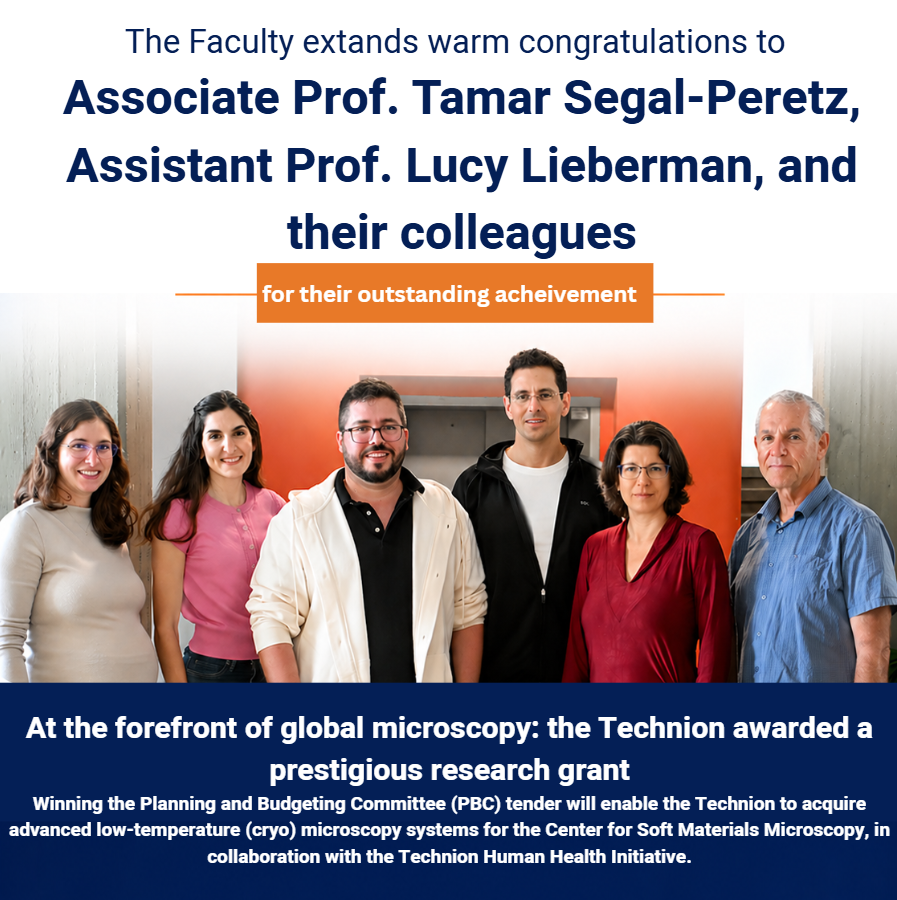
Winning the Planning and Budgeting Committee (PBC) tender will enable the Technion to acquire advanced low-temperature (cryo) microscopy systems for the Center for Soft Materials Microscopy, in collaboration with the Technion Initiative for Human Health.

Associate Prof. Tamar Segal-Peretz: “We will be able to observe phenomena at the molecular level while preserving the natural environment of the molecules, and to examine, for example, how a drug binds to its target protein in order to carry out its therapeutic activity.”

The Technion Center for Electron Microscopy of Soft Materials, together with the Technion Human Health Initiative, has won a PBC (Planning and Budgeting Committee) tender to purchase two of the most advanced electron microscopes in the world—CRYO-TEM and CRYO-FIB.

The grant from the committee amounts to approximately NIS 17 million, and together with Technion matching funds, represents a total investment of about NIS 25 million in acquiring the systems. This achievement marks a significant milestone for the center and for the Technion as a whole, strengthening its position at the forefront of global research in electron microscopy and structural biology.

The new microscopes are expected to significantly expand the center’s research and service capabilities, enable broad scientific collaborations, and contribute to advancing breakthrough research at the Technion and within the scientific community in Israel and worldwide.

This achievement was made possible through collaboration among leading Technion researchers: Dr. Lia Engel (Faculty of Mechanical Engineering), Dr. Dvir Harris (Schulich Faculty of Chemistry), Prof. Ido Kaminer (Andrew and Erna Viterbi Faculty of Electrical and Computer Engineering), Prof. Thomas Schultheiss (Ruth and Bruce Rappaport Faculty of Medicine), Asst.Prof. Lucy Lieberman, and Asst. Prof. Tamar Segal-Peretz (Wolfson Faculty of Chemical Engineering).

According to Associate. Prof. Segal-Peretz, “With the new instrumentation, Technion researchers will be able to observe various phenomena at molecular resolution while preserving the natural environment of the molecules by rapidly freezing them to temperatures of −170°C. This will make it possible, for example, to see how a drug binds to its target protein to perform its therapeutic function, or how a human cell manages to transport molecules through the nuclear envelope in order to initiate the expression of certain genes. Another example is deciphering the mechanism by which polymers organize themselves to impart desired properties for various engineering applications.”

Project leaders at the Technion, from right to left: Prof. Thomas Schultheiss, Associate Prof. Tamar Segal-Peretz, Prof. Ido Kaminer, Dr. Dvir Harris, Dr. Lia Engel, and Dr. Lucy Lieberman.

(Photo credit: Rami Shlush, Technion Spokesperson)

Credit: Technion Spokesperson

“Talking Engineering” Event in Collaboration with the Haifa Municipality

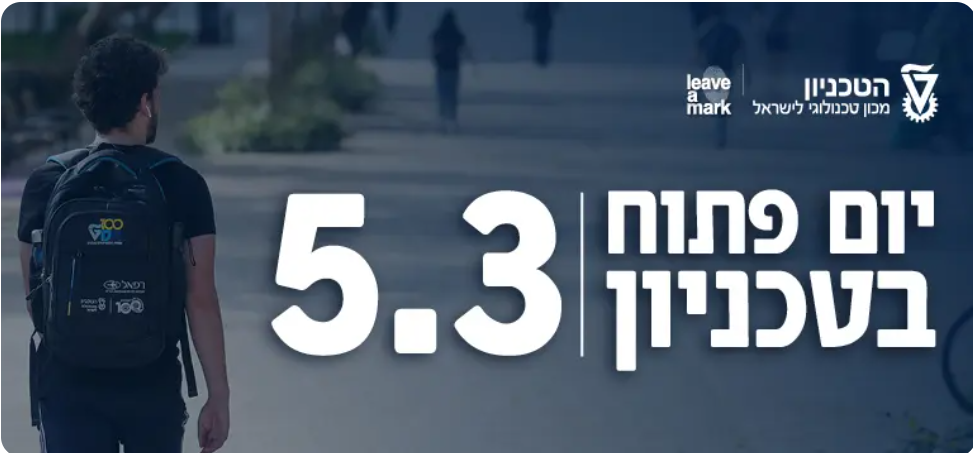
תמונה של באנר אירוע מדברים הנדסה

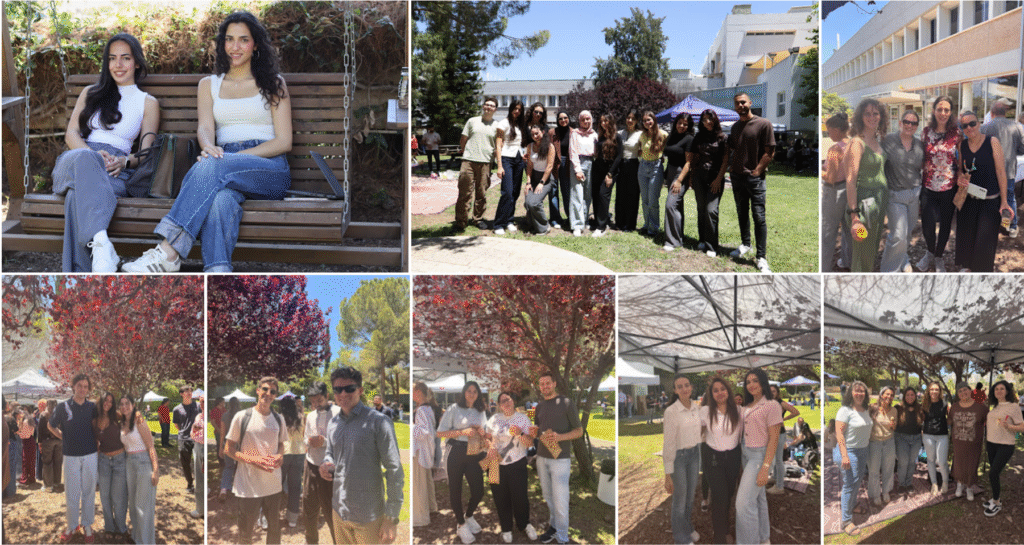
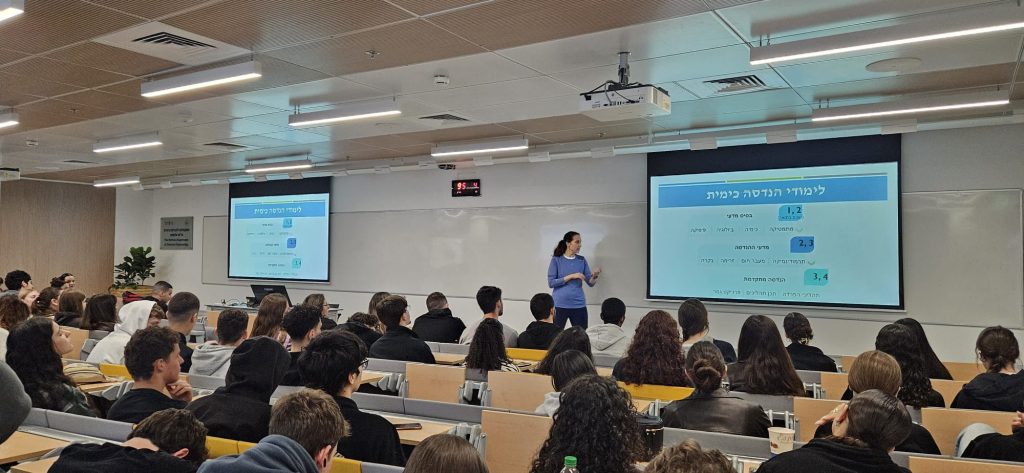
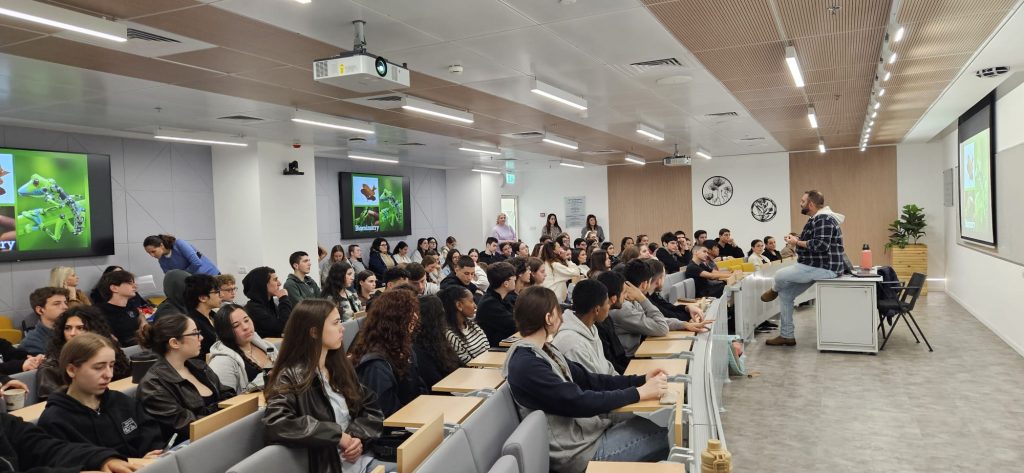
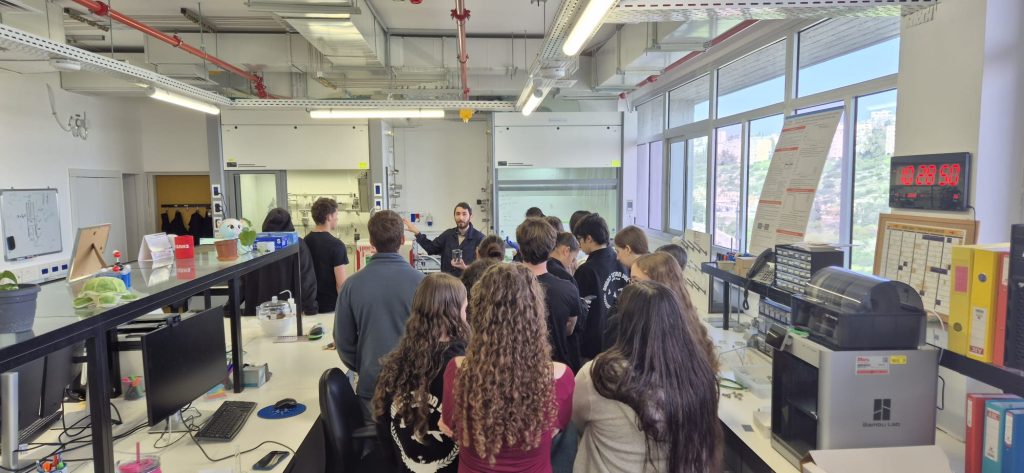
This past Sunday, we hosted approximately 100 11th–12th grade students from high schools in Haifa at the faculty, in collaboration with the Haifa Municipality, as part of the “Talking Engineering” day.

The visit opened with a fascinating lecture by Dr. Asaf Zinger on nanotechnology and research from his laboratory. The students showed great interest and asked many questions. The day continued with a lecture by Sivan Arber-Raviv on what chemical engineering is and the role of a chemical engineer.

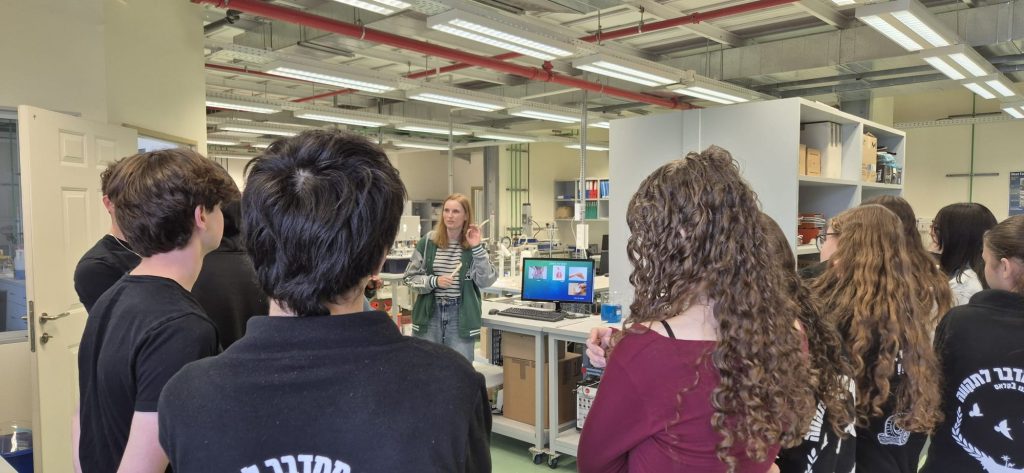
Later, the students toured the research laboratories of Prof. Avi Schroeder, Dr. Asaf Zinger, Prof. Havalet (Havatzelet) Bianco-Peled, Prof. Hossam Haick, Dr. Michael Shoham-Petreshko, as well as the teaching laboratory.
Yegor Igorov, Rand Shibel, Rimon Davidovitch, and Luba Texler hosted the students in the labs and presented the research conducted there, along with the teaching methods and systems.

In the third part of the day, a roundtable panel was held featuring faculty students, members of the Lavi Excellence Program. They engaged in discussion with the pupils, shared their experiences as students in the faculty, and answered questions.

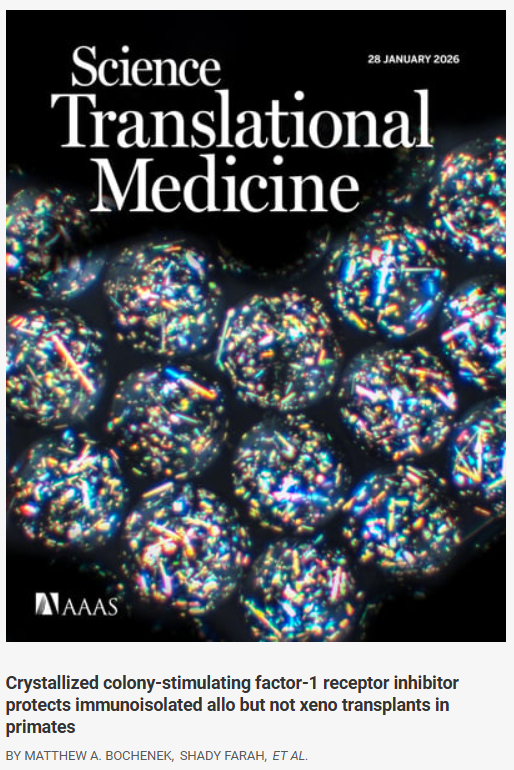
Outstanding Scientific Achievement: Research Led by Prof. H. Shadi Farah Featured on the Cover of Science Translational Medicine

תמונת שער של מגזין science translational medicine

Outstanding Scientific Achievement: Research Led by Prof. H. Shadi Farah Featured on the Cover of Science Translational Medicine

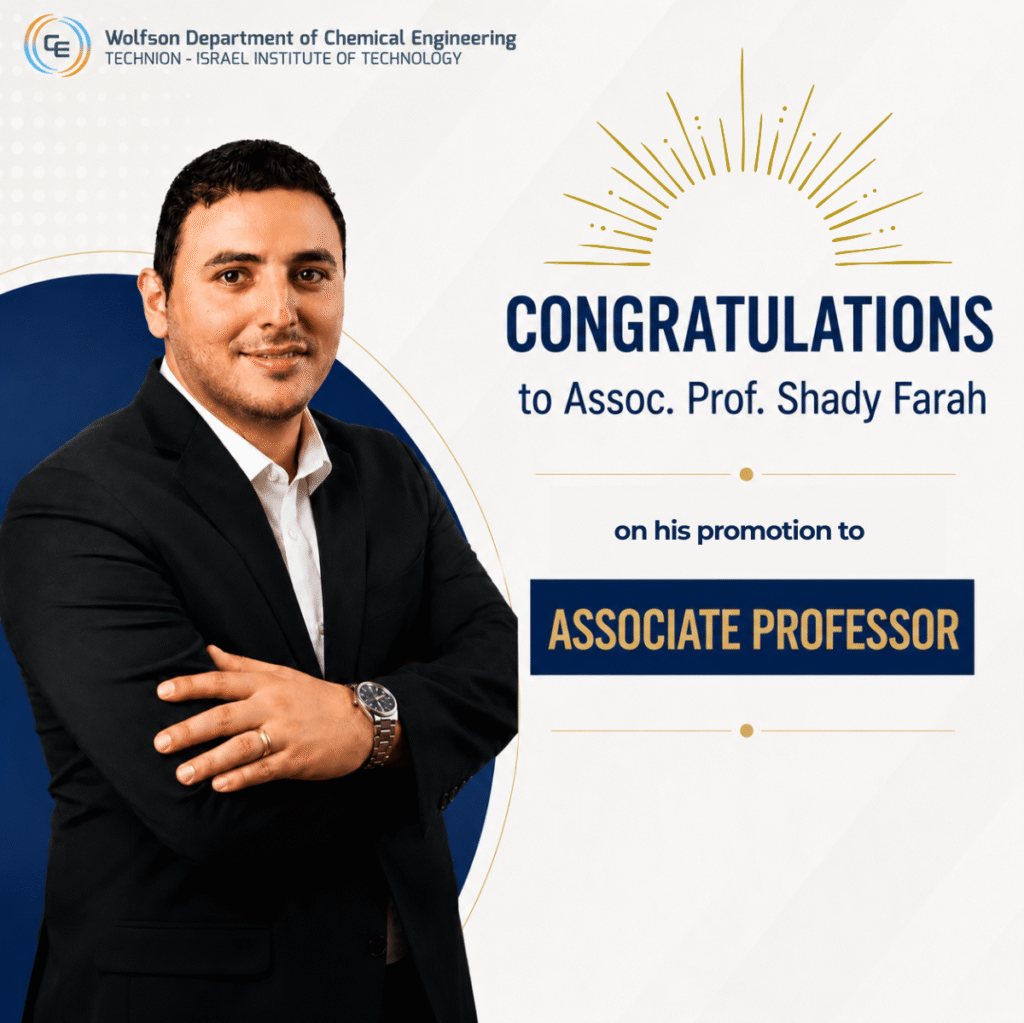
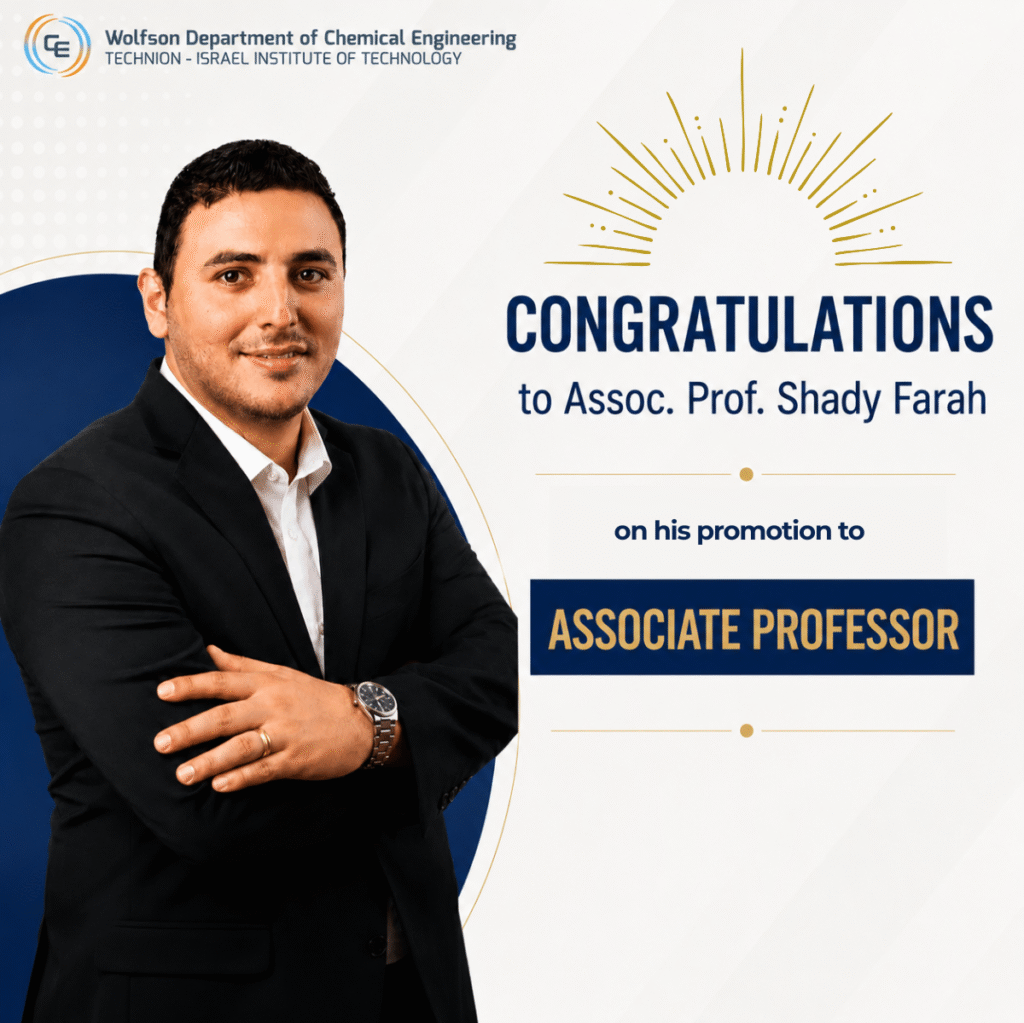
The Faculty is proud to congratulate Prof. H. Shadi Farah and his research team on an exceptional and groundbreaking scientific achievement. The study, led by Prof. Farah in collaboration with MIT and research groups from Harvard University, Johns Hopkins University, and the University of Massachusetts, has received remarkable international recognition.

The research was selected to appear on the cover of the prestigious journal Science Translational Medicine and was also featured on Israel’s Channel 12 News, underscoring its significant scientific and clinical impact.

The study addresses one of the major challenges in regenerative medicine: the body’s natural rejection of implanted devices. As part of the research, an innovative implantable device was developed for patients with diabetes, enabling continuous monitoring of glucose levels and significantly reducing the need for daily measurements.

This breakthrough holds great potential for improving the quality of life of people living with diabetes and for advancing cutting-edge implantable medical technologies.

watch the full Channer 12 News feature here

Read the paper here
תמונת שער של מגזין science translational medicine

Manage Consent

We use cookies for essential operations, improving your experience, anonymous analytics, and personalized ads. You can allow all categories or fine-tune each one. Learn more: Privacy Policy